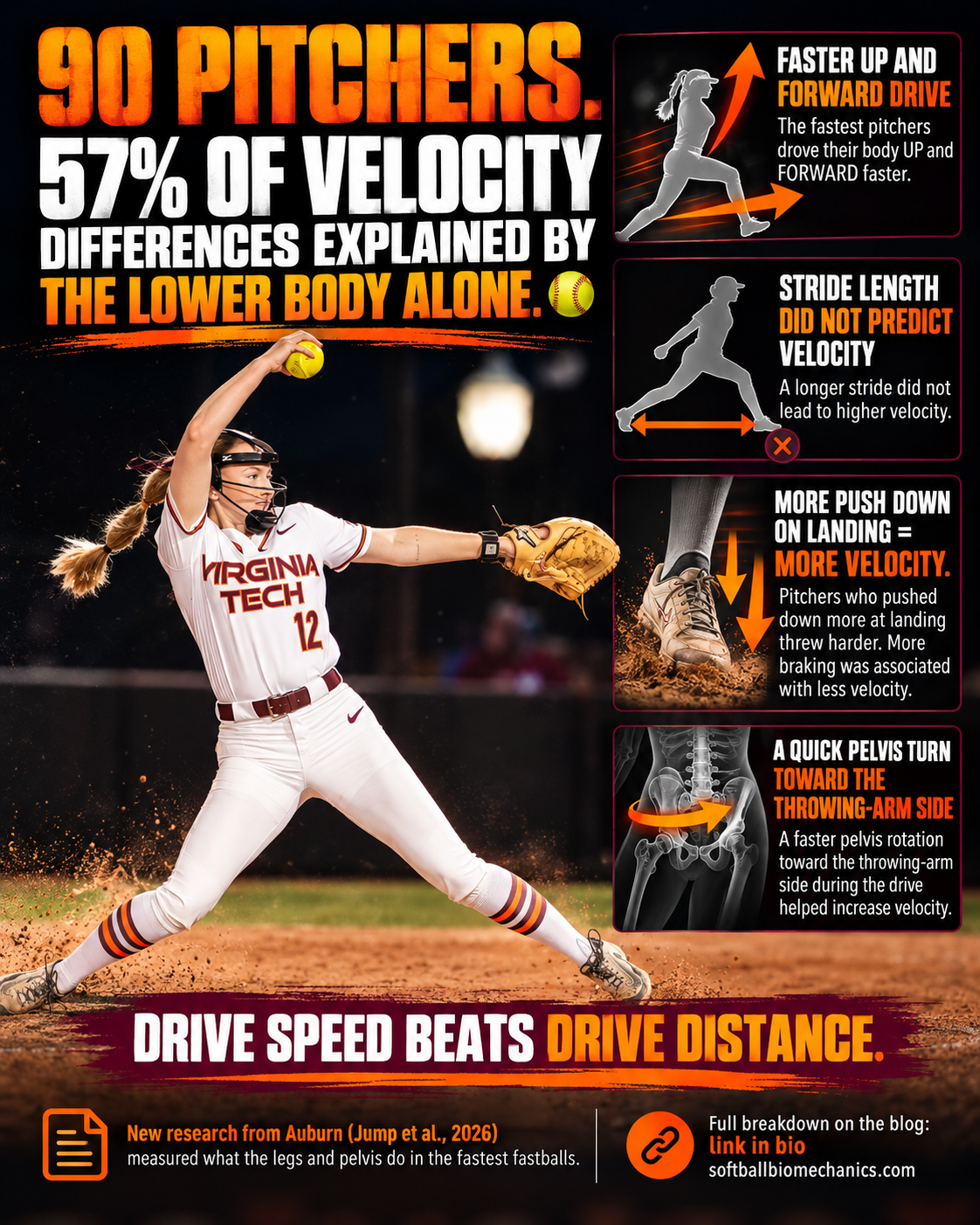

I am trying something new this week. We are discussing some potential options for research in the coming months and one of the topics of interest that came up with the research team was our movement screen. Movement screens are great because they can identify areas of immobility quickly but there are limitations on measurements. I sent them this review of the literature of range of motion, which has been studied in the past quite a bit. I am summarizing in the newsletter but read this if you want everything that it said. Here are the highlights:
For Performance
- Strength (especially hip external rotation / drive hip) appears critical. Having strong drive-hip ER allows better energy transfer through trunk → arm segments, aiding pitch velocity. Relying only on ROM, without adequate strength, may limit ability to leverage the kinetic chain.
- Shoulder adaptations (more ER, less IR in dominant arm) are common. Some shoulder ROM increases over the season may reflect adaptation. These adaptations might support performance, by allowing greater external rotation during the pitch, which might contribute to greater arm whip or velocity. But there’s a balance — too much, or loss of IR, may have downsides.
For Injury Risk
- Reduced ROM or strength (in shoulder or hip) are associated with pain / injury (upper extremity). For example, pitchers with less shoulder ER or lower strength measures are more likely to report UE pain.
- Changes over season (e.g., decreased hip strength, decreased hip ROM) may predispose to injury, because deficits in proximal joints can lead to compensations in distal joints (arm, shoulder) which then take higher loads.
- Pitch count / workload also appears relevant. One study found injured pitchers had fewer degrees of shoulder external rotation compared to non-injured, plus higher pitch counts, though pitch counts were not always statistically significant.
Limitations & Gaps
- Many studies are cross-sectional, so directionality (does low ROM cause injury, or does injury cause ROM loss) is often unclear.
- Sample sizes are often small (especially for youth pitchers or subgroups), which limits statistical power.
- Variability in how ROM is measured (which joints, whether passive or active, what arm positions, etc.) makes cross-study comparisons hard.
- Fewer longitudinal studies (following pitchers over multiple seasons) to assess how ROM / strength changes relate to later injury outcomes.
Practical Takeaways
From what the literature suggests, here are some evidence-informed recommendations:
- Monitor both ROM and strength, especially in the shoulder (dominant side) and hips. Strength (especially hip external rotation) seems more predictive of performance and possibly of maintaining good energy flow.
- Preseason screening: Document ROM (IR/ER, total arc, horizontal adduction) and hip ROM/strength. Use these to identify potential deficits.
- Targeted training / corrective exercises: Stretching to maintain or improve shoulder IR and HA; strengthening of hip ER, hip abduction, perhaps core stability so proximal segments contribute appropriately.
- Manage workload / fatigue: Because ROM and strength change over the course of a season (shoulder ROM tends to increase; hip strength tends to decline), regular maintenance (strength + mobility) and perhaps mid-season checks could help catch deficits before they lead to injury.
- Consider sport-specific adaptations: For example, softball players don’t always show the same magnitude of ROM adaptations (internal-rotation deficits etc.) as baseball pitchers; thus, baseball-based arm care or ROM protocols may not always translate directly.
More…
I love this post and anecdotally have found this true with many softball pitchers as well. When trying to throw hard pitchers will often move their head and neck trying to reach for a little more. The Mustard App is an interesting follow (developed in part by Tom House, renowned baseball pitching coach). Check it out.